Mastering the Installation Of ADA Detectable Warning Panels – Cast In Place & Surface Applied
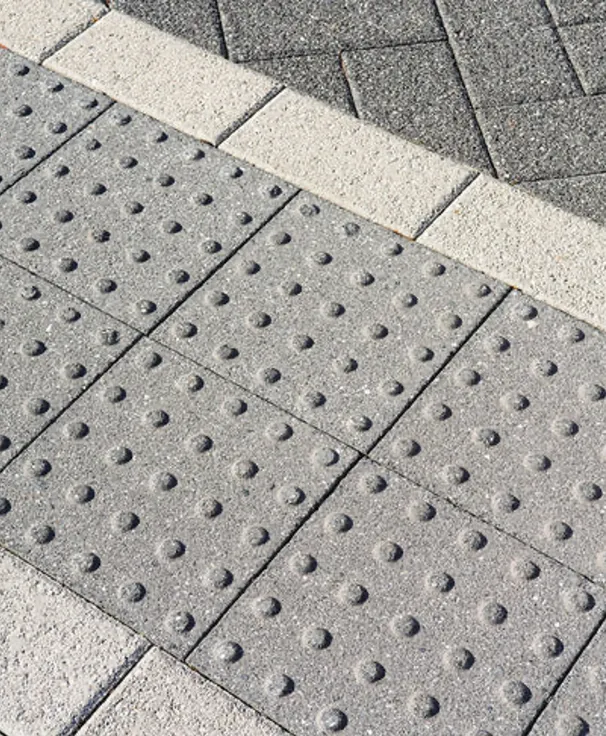
When it comes to safety in public spaces, the installation of ADA detectable warning panels is crucial. These panels help guide individuals with visual impairments. They provide tactile feedback, alerting users to changes in walking surfaces. Recently, I found myself working on a project involving these panels. The experience was both eye-opening and rewarding.
Understanding the Basics of ADA Detectable Warning Panels
ADA detectable warning panels come in two primary types: cast-in-place and surface applied. Each type serves the same purpose but has different installation methods. The choice often depends on the specific needs of the project.
Cast-In-Place Panels
Cast-in-place panels are installed during the concrete pouring process. This method offers a seamless finish. I remember the excitement when I saw the panels perfectly integrated into the sidewalk. They looked like they belonged there, rather than just being added later.
- Durability: They are sturdy and can withstand heavy traffic.
- Aesthetic Appeal: They blend well with the surrounding concrete.
- Long Lifespan: These panels tend to last longer than surface applied options.
Surface Applied Panels
Surface applied panels are installed on top of existing surfaces. This method can be quicker and is often used for retrofitting. I had a friend who recently renovated an older building. They opted for surface applied panels, and it made a huge difference in accessibility.
- Ease of Installation: These can be installed without major construction.
- Cost-Effective: Generally, they are less expensive than cast-in-place options.
- Immediate Impact: They can quickly enhance safety in any area.
Steps for Successful Installation
Whether you choose cast-in-place or surface applied panels, there are some important steps to follow. Here’s a simple guide based on my experience:
- Planning: Assess the area where the panels will be installed.
- Measurement: Ensure accurate measurements for proper panel placement.
- Preparation: Clean the surface to ensure good adhesion.
- Installation: Follow the manufacturer’s instructions carefully.
- Inspection: Check the panels to ensure they are installed correctly.
Why Choose the Right Panels?
Choosing the right detectable warning panels is essential. Not only do they comply with ADA standards, but they also enhance safety for everyone. I noticed that when the right panels were in place, people felt more secure navigating the area.
For more information about the different types of panels, you may want to explore truncated dome tiles. They offer great insights on the installation process and benefits.
Final Thoughts
Installing ADA detectable warning panels is more than just a project. It’s about making spaces safer and more accessible for everyone. Whether you go for cast-in-place or surface applied panels, the right choice can make a significant difference. So, roll up your sleeves and get started on improving your community’s safety today!