Understanding September 11, 2001: A Day That Changed America Forever
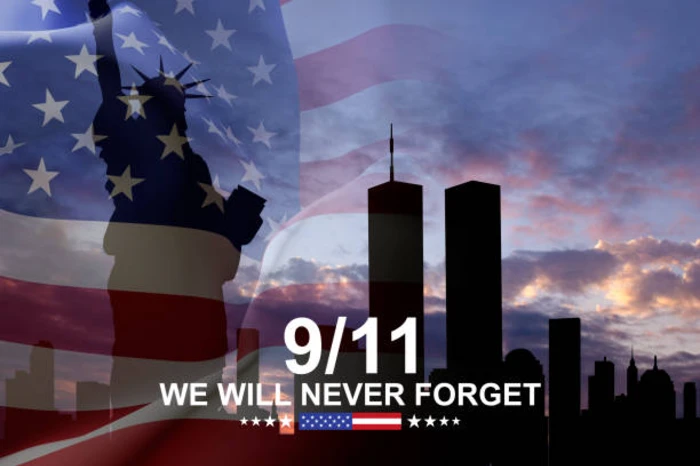
The morning of September 11, 2001, started like any other Tuesday across America, but it quickly became one of the most devastating days in our nation’s history. Within hours, coordinated terrorist attacks struck the heart of American landmarks, forever changing how we live, work, and protect our communities. The events of September 11, 2001 demonstrated both the darkest capabilities of human hatred and the brightest examples of human courage, compassion, and unity.
Nearly 3,000 innocent lives were lost that day, but from that tragedy emerged countless stories of heroism, sacrifice, and determination. First responders rushed toward danger while others fled, ordinary citizens became heroes by helping strangers, and an entire nation united in grief and resolve. Today, organizations like The September 11 Foundation work tirelessly to ensure these lessons aren’t forgotten, teaching the next generation about courage, resilience, and service through the lens of this pivotal moment in history.
What Happened on September 11, 2001?
On that fateful morning, nineteen terrorists associated with the extremist group al-Qaeda hijacked four commercial airplanes. Their mission was to attack prominent American landmarks that symbolized the nation’s economic and military power. The attacks unfolded over several hours, leaving the country in shock and forever altering the course of American history.
Two planes struck the Twin Towers of the World Trade Center in New York City, causing both towers to collapse within hours. Another plane crashed into the Pentagon in Arlington, Virginia, while passengers on the fourth plane, United Flight 93, fought back against hijackers, causing it to crash in a Pennsylvania field rather than reaching its intended target in Washington, D.C.
The Timeline of Events
Understanding the sequence of events helps grasp the coordinated nature of these attacks. At 8:46 AM Eastern Time, American Airlines Flight 11 crashed into the North Tower of the World Trade Center. Just seventeen minutes later, at 9:03 AM, United Airlines Flight 175 struck the South Tower. The nation watched in horror as these events unfolded live on television.
At 9:37 AM, American Airlines Flight 77 crashed into the Pentagon, damaging the western side of the building. Meanwhile, passengers aboard United Flight 93 learned about the other attacks through phone calls and decided to take action. At 10:03 AM, after passengers attempted to storm the cockpit, the plane crashed in Shanksville, Pennsylvania. Their brave actions likely prevented another catastrophic attack on the U.S. Capitol or White House.
The South Tower collapsed at 9:59 AM, followed by the North Tower at 10:28 AM. These collapses sent massive clouds of debris and dust throughout Lower Manhattan, affecting thousands of people and causing extensive damage to surrounding buildings.
The Targets and Their Significance
The terrorists didn’t choose their targets randomly—they selected symbols of American power and influence. The World Trade Center represented America’s economic strength and global financial leadership. Its Twin Towers stood as iconic features of the New York City skyline, housing offices for numerous international corporations and financial institutions.
The Pentagon symbolized America’s military might as the headquarters of the Department of Defense. Attacking this building was meant to demonstrate vulnerability even at the heart of national defense. The intended target of United Flight 93, believed to be either the Capitol Building or the White House, would’ve struck at the center of American democracy and political leadership.
The Heroes Who Emerged from the Tragedy
While September 11, 2001 brought out the worst in humanity through acts of terrorism, it simultaneously revealed the best through countless acts of heroism and selflessness. These heroes came from all walks of life, united by their willingness to help others in the face of unimaginable danger.
First Responders’ Courage
Firefighters, police officers, and emergency medical personnel demonstrated extraordinary courage by rushing into the burning towers while everyone else evacuated. The New York City Fire Department lost 343 firefighters that day—the largest loss of life for any emergency response agency in a single incident. These brave men and women climbed stairs laden with heavy equipment, knowing the danger but driven by their commitment to save lives.
Police officers from the NYPD and Port Authority also made the ultimate sacrifice, with 71 officers losing their lives. They helped evacuate thousands of people from the towers and surrounding areas, maintaining order amidst chaos. Many continued their rescue efforts even after the first tower collapsed, demonstrating unwavering dedication to public service.
Emergency medical technicians and paramedics worked tirelessly to treat the injured and coordinate rescue efforts. Their quick thinking and professional expertise saved countless lives during those critical hours. Medical facilities throughout New York City mobilized immediately, prepared to treat thousands of casualties.
Ordinary Citizens Who Became Heroes
Beyond professional first responders, everyday people showed remarkable courage and compassion. Office workers helped colleagues with disabilities down dozens of flights of stairs. Strangers formed human chains to guide people through smoke-filled corridors. Volunteers immediately began organizing blood drives, gathering supplies, and offering whatever assistance they could provide.
The passengers aboard United Flight 93 exemplified extraordinary bravery by fighting back against their hijackers. Todd Beamer’s famous words, “Let’s roll,” became a rallying cry for American resilience. These passengers understood they likely wouldn’t survive, but their actions prevented further devastation and saved countless lives on the ground.
Boat operators in New York Harbor spontaneously organized what became the largest maritime evacuation in history, transporting nearly 500,000 people from Manhattan in just nine hours. Ferry operators, tugboat captains, and private boat owners answered the call without hesitation, demonstrating the power of community response during crisis.
How September 11, 2001 Transformed National Security
The attacks fundamentally changed how America approaches security, both domestically and internationally. Within weeks, Congress passed the USA PATRIOT Act, expanding law enforcement’s surveillance and investigative powers. The Department of Homeland Security was created in 2002, consolidating 22 federal agencies under one cabinet-level department focused on protecting the nation from threats.
Intelligence agencies reformed their information-sharing protocols, addressing the failures that allowed the 9/11 plot to go undetected. The 9/11 Commission’s comprehensive investigation led to numerous recommendations that reshaped national security policy for decades to come. International cooperation on counterterrorism efforts increased significantly, with nations sharing intelligence and coordinating security measures.
Aviation Security Improvements
Air travel changed dramatically after September 11, 2001, with security measures that remain in effect today. The Transportation Security Administration (TSA) was established to standardize and enhance airport security nationwide. Cockpit doors were reinforced and kept locked during flights, preventing unauthorized access. Federal Air Marshals began flying on more flights, providing an additional layer of security.
Passengers now face extensive screening procedures, including removing shoes, limiting liquids, and passing through advanced imaging technology. While these measures sometimes cause inconvenience, they’ve significantly improved aviation security. Background checks for airport and airline employees became more rigorous, and the no-fly list system was implemented to prevent known threats from boarding aircraft.
Emergency Response Evolution
The attacks revealed gaps in emergency communication systems and coordination between agencies. Since then, interoperable communication systems have been developed, allowing different emergency services to communicate during crises. The National Incident Management System (NIMS) was created to provide a standardized approach to emergency response across all levels of government.
Cities developed comprehensive emergency preparedness plans, conducting regular drills and training exercises. High-rise building codes were updated with improved safety features, including better evacuation procedures and enhanced structural resilience. First responders now receive specialized training for terrorist attacks and mass casualty events.
Teaching the Next Generation About 9/11
As time passes, an increasing number of Americans have no personal memory of September 11, 2001. This makes education about these events crucial for preserving the lessons learned and honoring those who were lost. Schools across the country incorporate 9/11 into their curricula, teaching students about the attacks while emphasizing themes of resilience, unity, and civic responsibility.
The September 11 Foundation plays a vital role in this educational mission, developing programs that help young people understand what happened and why it matters. By focusing on character traits demonstrated that day—courage, selflessness, determination, and compassion—these programs connect historical events to timeless values.
The Role of Nonprofit Organizations
Organizations dedicated to preserving 9/11’s memory serve multiple functions beyond education. They provide support for survivors and victims’ families, fund scholarships for children who lost parents, and maintain memorials that ensure future generations can reflect on these events. The September 11 Foundation, located at One World Trade Center in New York City, exemplifies this comprehensive approach.
These nonprofits also train current emergency responders, ensuring they’re prepared for future disasters. By combining historical education with practical emergency preparedness, they create a bridge between honoring the past and protecting the future. Their work emphasizes that remembering 9/11 means more than mourning losses—it means applying those lessons to build stronger, more resilient communities.
Character Education Through Historical Events
Teaching about September 11, 2001 offers unique opportunities for character education. Students learn about ordinary people who made extraordinary choices under extreme pressure. They discover how communities came together across all differences to support one another. These lessons about courage, service, and resilience apply far beyond discussing terrorism—they’re fundamental values that guide how we treat others and respond to challenges in daily life.
Faith and family emerged as central themes in how people coped with tragedy and rebuilt their lives. The commitment to excellence shown by first responders set standards for professional dedication that inspire young people entering public service careers. By grounding abstract values in real stories of real people, educators make character development tangible and meaningful.
Remembering and Honoring the Victims
Memorials across the country ensure that those who died on September 11, 2001 are never forgotten. The National September 11 Memorial & Museum at the World Trade Center site features two reflecting pools set within the footprints of the original Twin Towers. The names of all 2,977 victims are inscribed in bronze panels surrounding the pools, creating a powerful space for reflection and remembrance.
The Pentagon Memorial honors the 184 people killed at that location, featuring 184 benches arranged according to victims’ ages. The Flight 93 National Memorial in Pennsylvania marks where heroes prevented further destruction, with a wall bearing their names overlooking the crash site. These sacred spaces allow families, survivors, and visitors to pay respects and find solace.
Annual remembrance ceremonies ensure the anniversary remains a day of reflection rather than just another date on the calendar. Moments of silence mark the times when each plane struck, bells toll in honor of fallen first responders, and names are read aloud so each victim is personally remembered. These rituals maintain connection between past tragedy and present commitment to honor their memory through how we live.
Moving Forward with Hope and Resilience
Twenty-four years after the attacks, America has demonstrated remarkable resilience while maintaining vigilance against threats. The rebuilding of the World Trade Center site, including the construction of One World Trade Center—the tallest building in the Western Hemisphere—symbolizes that hope and determination overcome even the darkest challenges. The tower stands as testament that terrorism cannot defeat the American spirit or destroy our way of life.
Communities affected by 9/11 have shown incredible strength in healing while preserving memory. New York City rebuilt stronger, implementing lessons learned about emergency preparedness and community resilience. The Pentagon was repaired and operational within a year, demonstrating commitment to continuity of government and military readiness. Shanksville transformed from a quiet rural community into guardians of a national memorial, embracing their unexpected role in American history.
Young people who’ve grown up in the post-9/11 era embody the resilience that emerged from tragedy. They’ve learned about security awareness without living in fear, understand sacrifice through stories of heroes, and recognize the importance of civic engagement and public service. Organizations like The September 11 Foundation ensure these lessons continue shaping future generations, preparing them not just to remember the past but to build a better future.
The values emphasized on September 11, 2001—courage in the face of danger, compassion for those suffering, unity across all divisions, and unwavering commitment to protecting others—remain as relevant today as they were then. By teaching these principles and applying them in daily life, we honor those who were lost and ensure their legacy continues inspiring positive change. The tragedy of 9/11 reminds us that our greatest strength lies not in avoiding hardship but in how we respond when facing it, supporting one another, and emerging stronger together.
Contact: The September 11 Foundation
One World Trade Center, Fulton St, New York, NY 10006
september11foundation.com (609) 831-0911